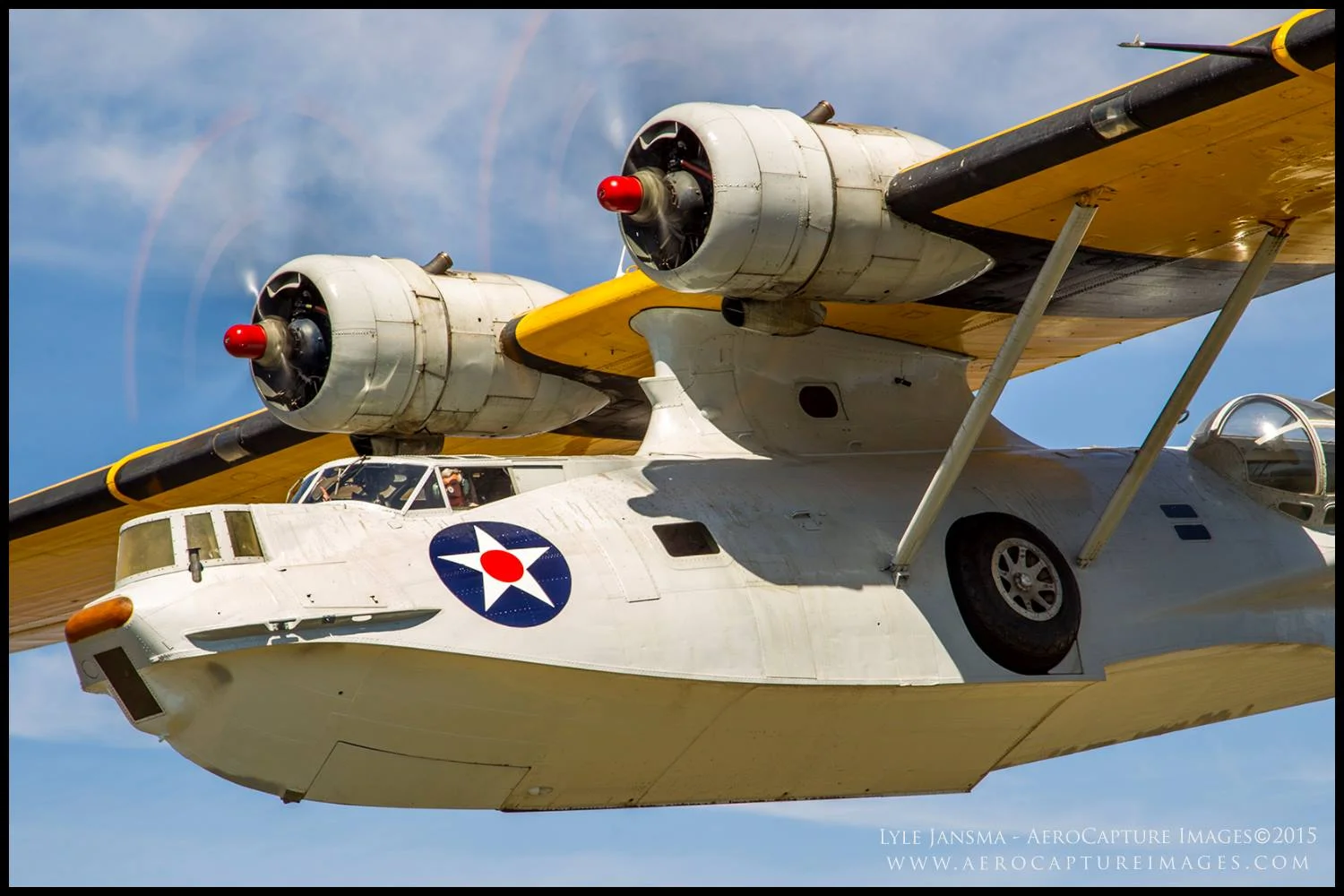
PBY 5A Catalina
NARRATIVE
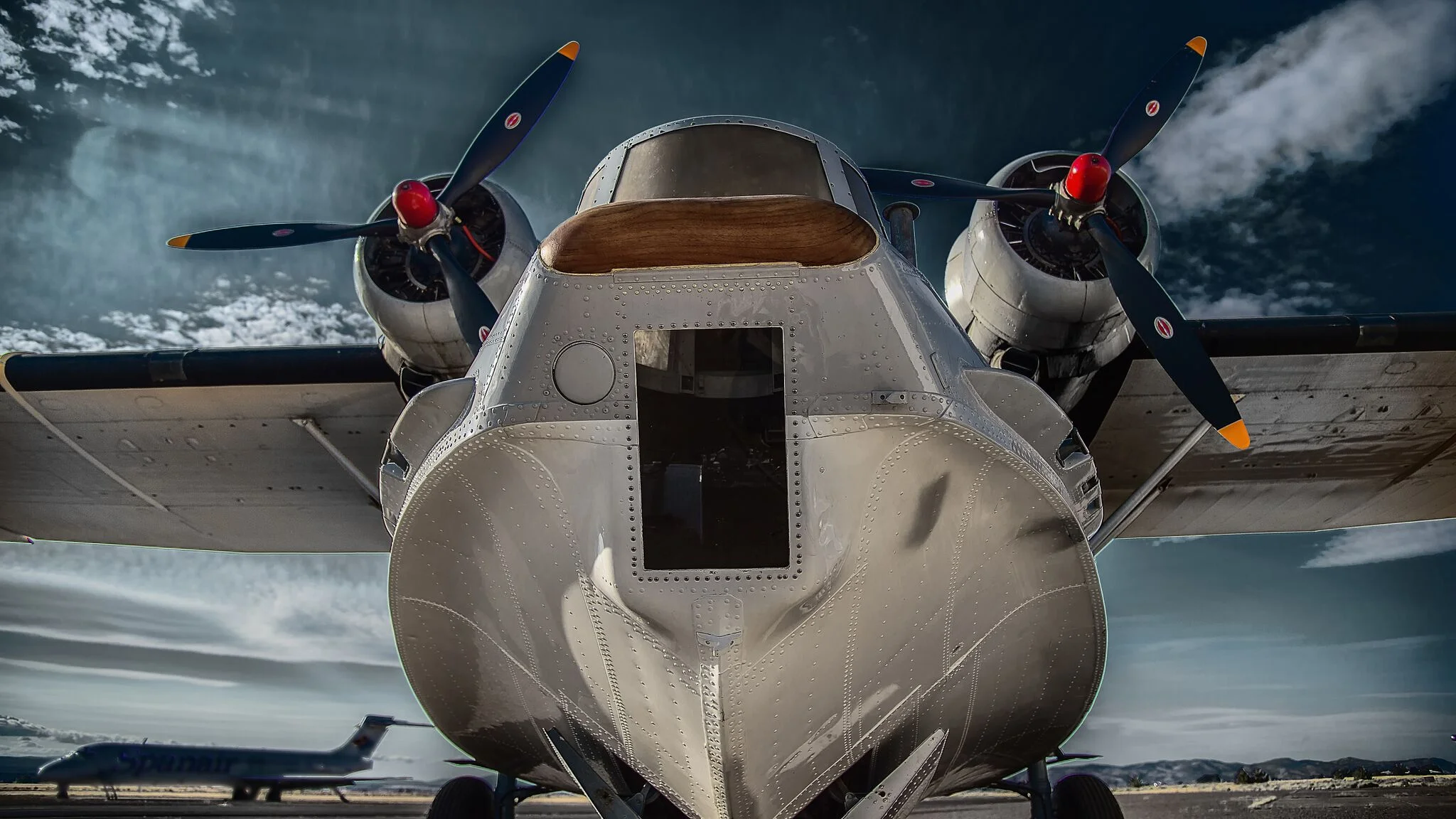
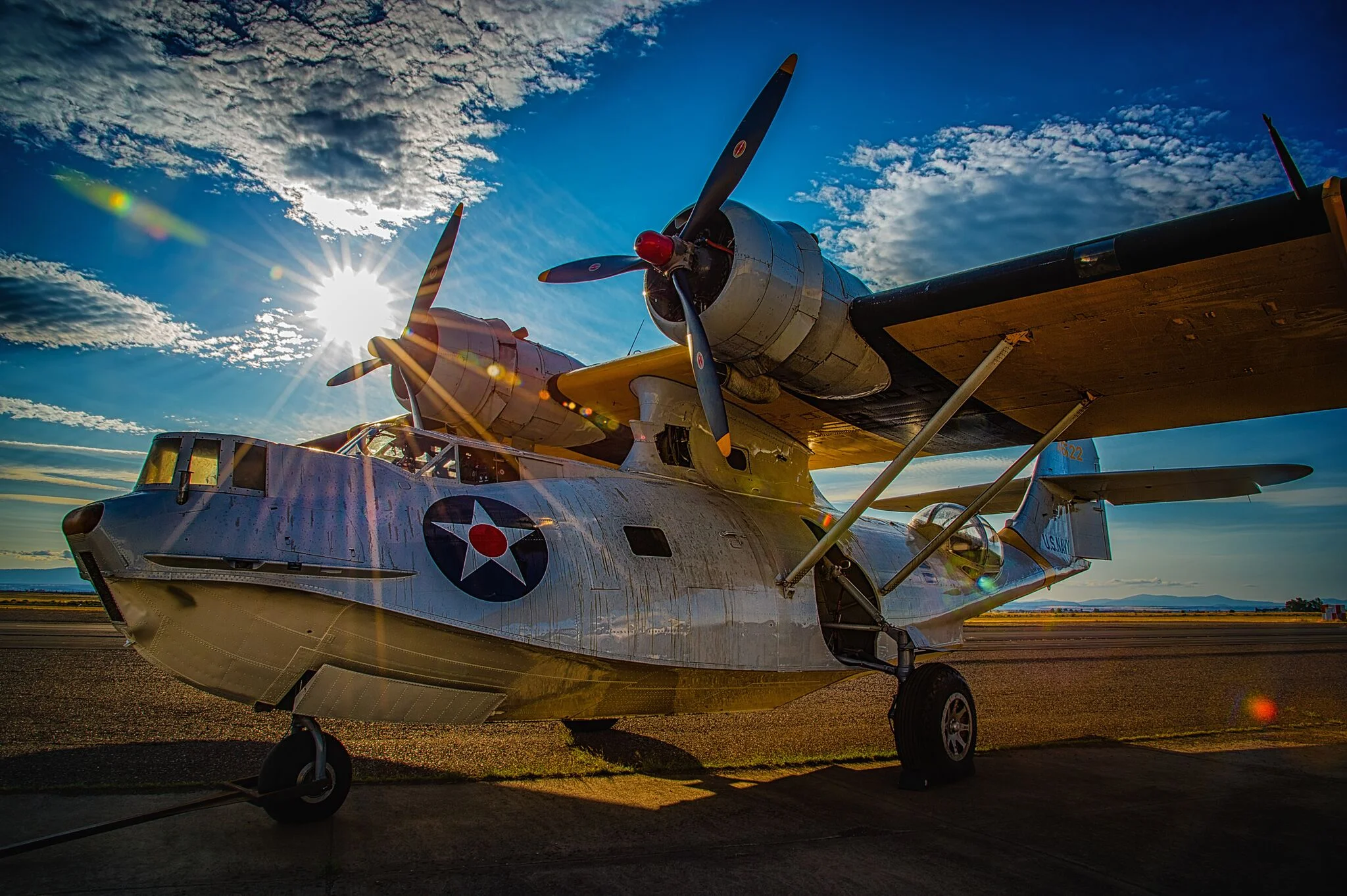
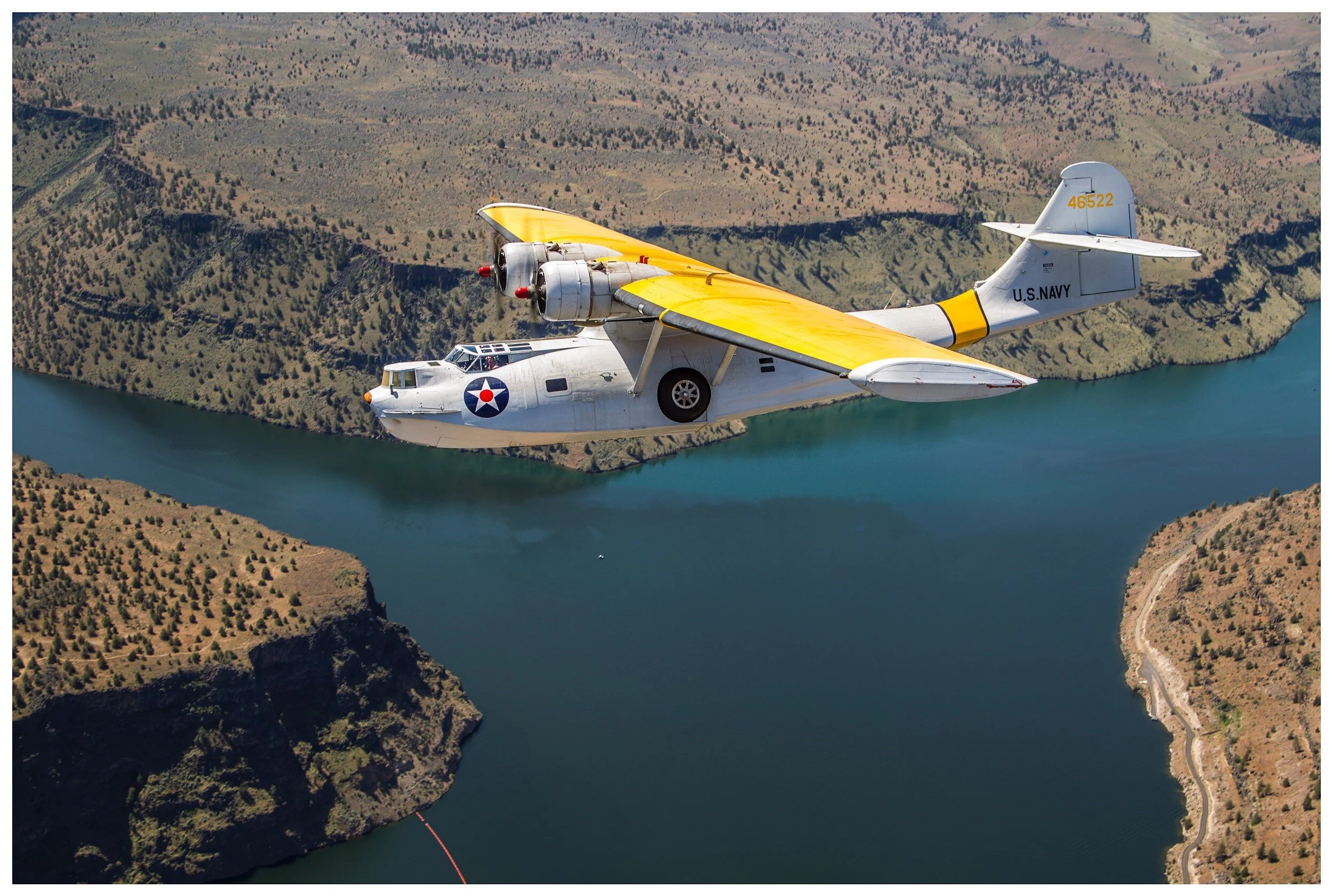
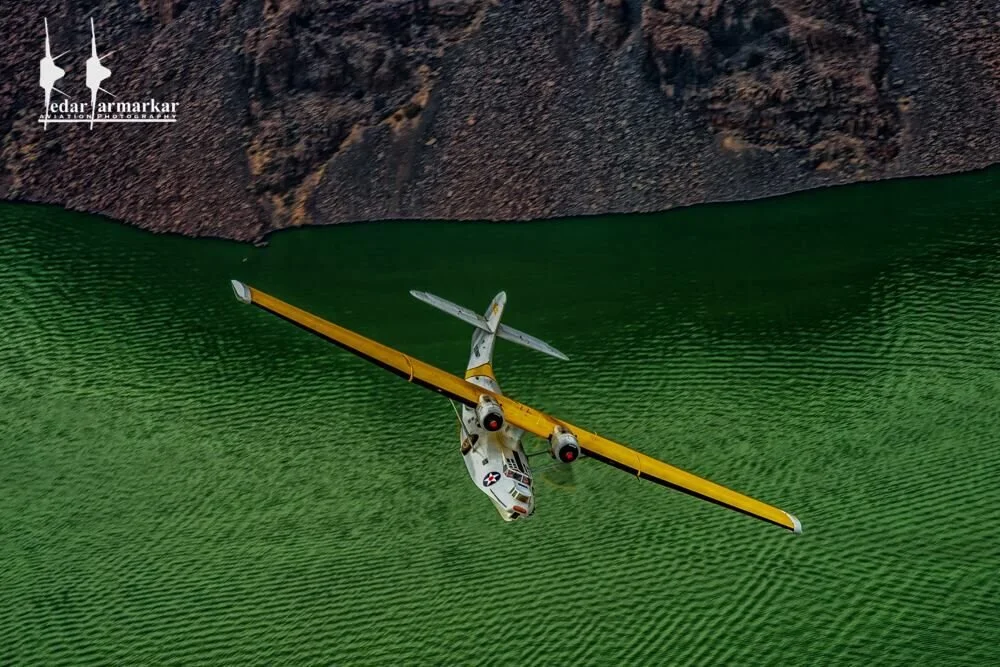
The story of the most famous seaplane in aviation history began when the prototype of the Consolidated PBY Catalina first took to the air in March of 1935. It featured an internally supported parasol wing structure that was so near a true cantilever design as to need only two small struts on each side of the fuselage and stabilizing floats that retracted into the wing tips. Powered by two 1,200 hp Pratt & Whitney radials, the later PBY-5A had a top speed of 179 mph and its nine-man crew could employ five machine guns for defensive purposes. The PBY had a long and distinguished career during World War II. It was a Catalina that first sighted the Japanese fleet, flying inbound to attack Midway Island in 1942, leading to a U.S. victory and a turning point in the war. A tough, dependable, and versatile aircraft, the PBY performed many roles for the Allied nations during the war, including bombing, reconnaissance, convoy escort, transport, and anti-submarine warfare. The Catalina's long-range abilities as a search and rescue seaplane saved the life of many a sailor or aviator adrift on an unfriendly sea. When production ended in 1945, some 4,000 Catalinas had been built at Consolidated plants in San Diego, Buffalo and New Orleans, the USN Aircraft Factory in Philadelphia and at Vickers and Boeing in Canada.
SPECIFIC HISTORY
The museum’s airworthy Catalina is a typical PBY-5A built by Consolidated and accepted by the U.S. Navy in March 1944. Retired from active military duty in June 1950, it was sold to Catalina Ltd. for $3,100. Following several sales in the civilian market, it was acquired by the museum in 1990 and restored to its present condition.