Douglas DC-3
NARRATIVE
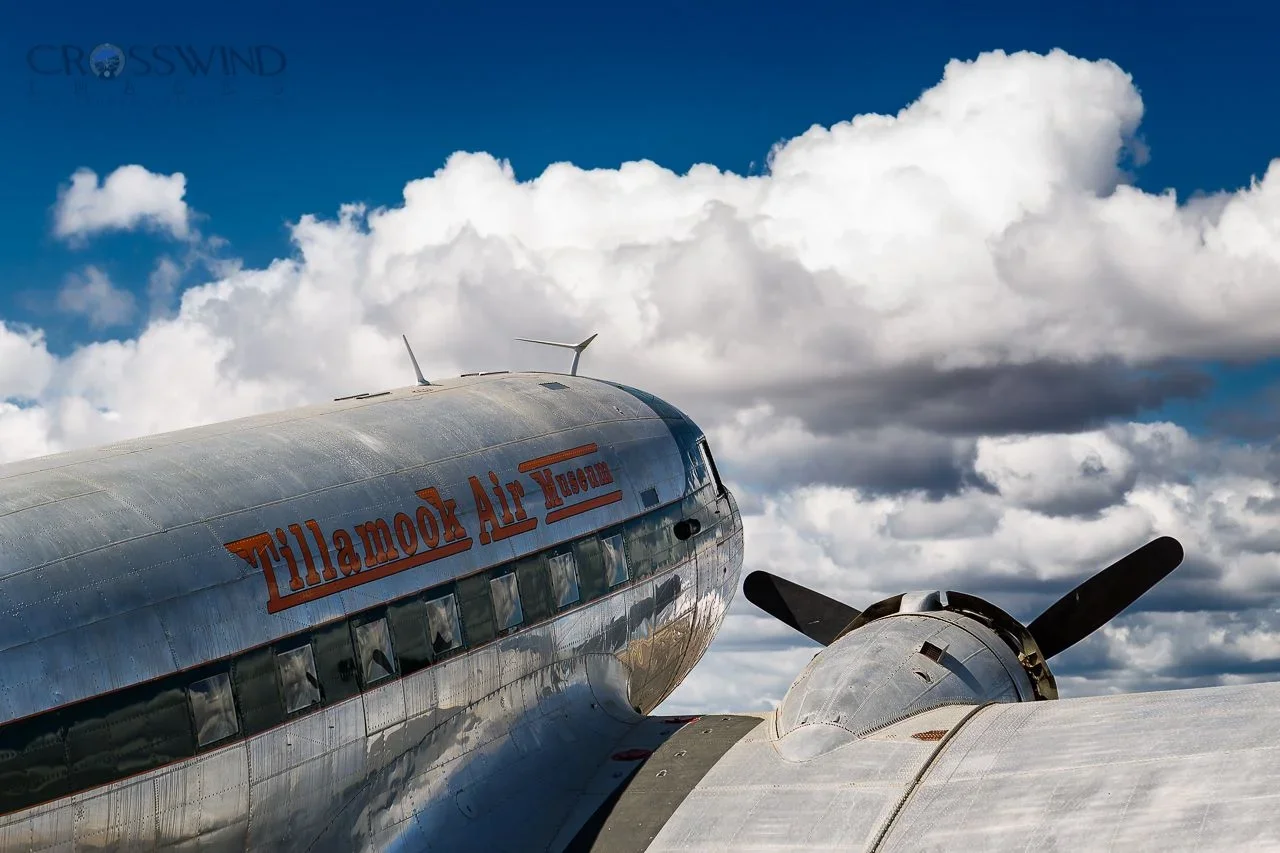
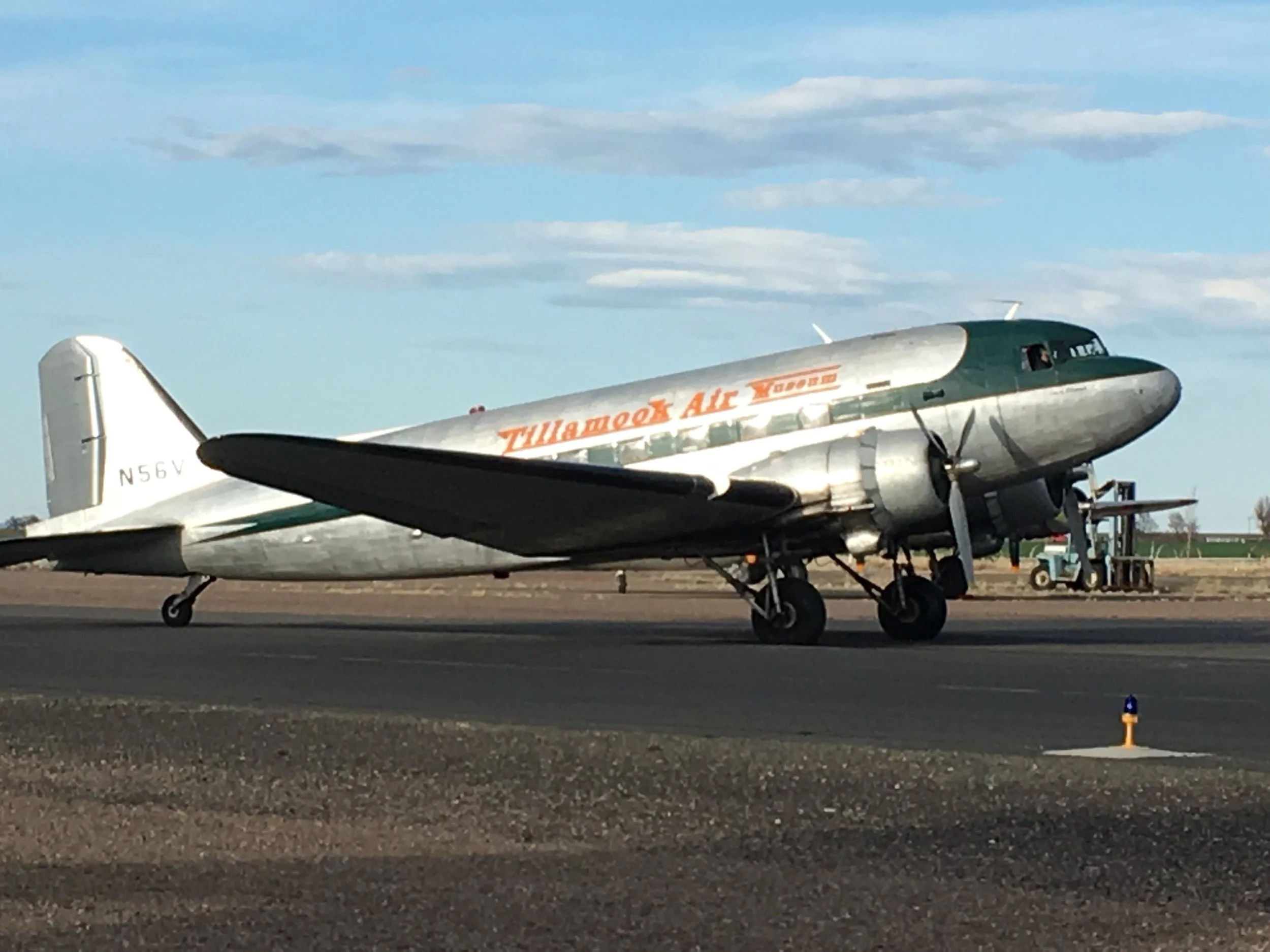
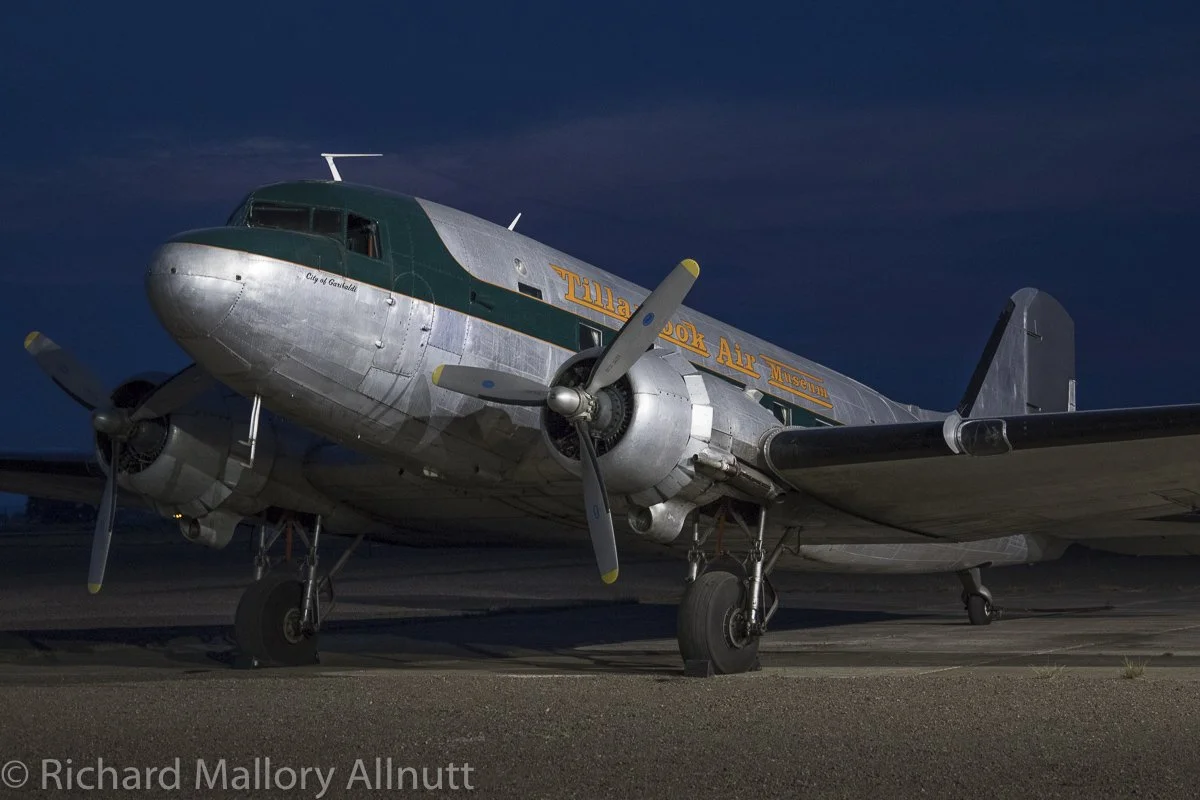
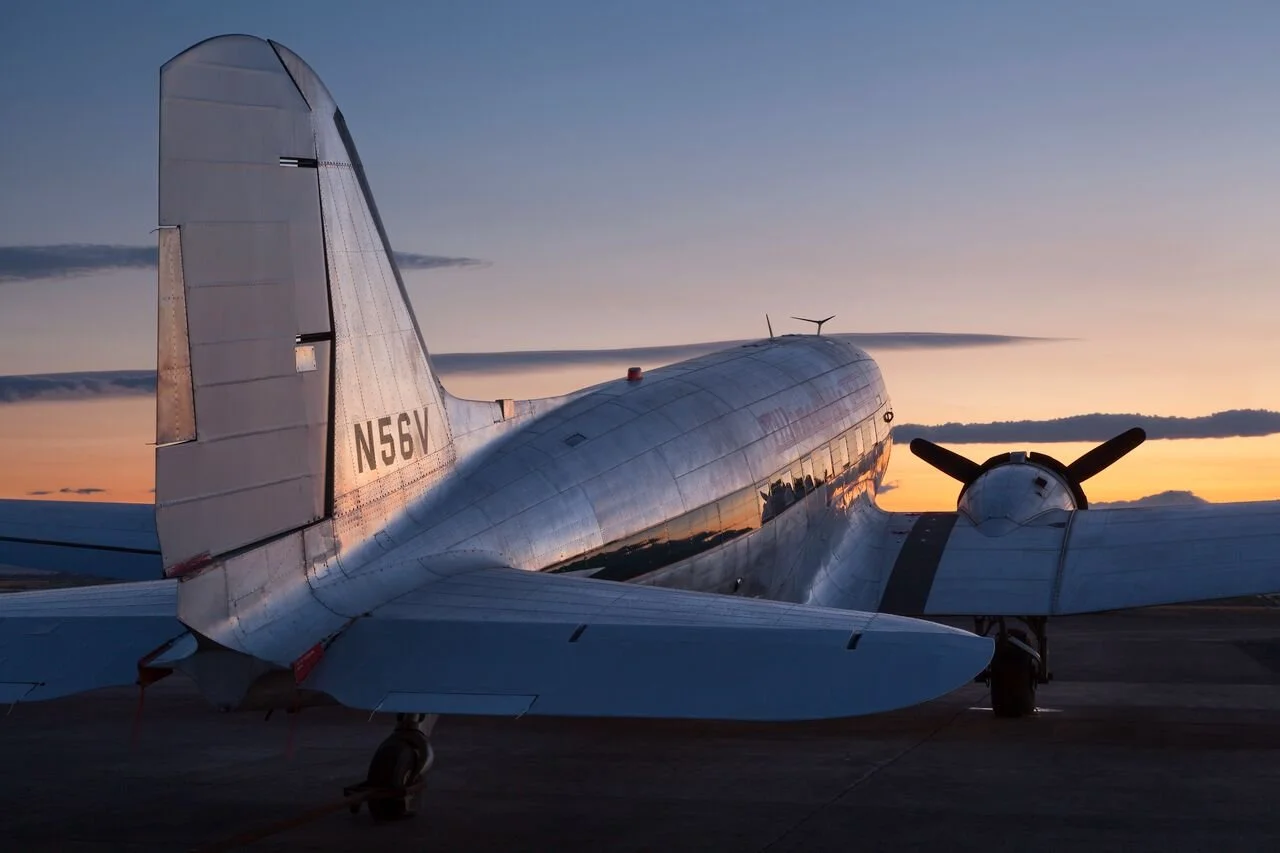
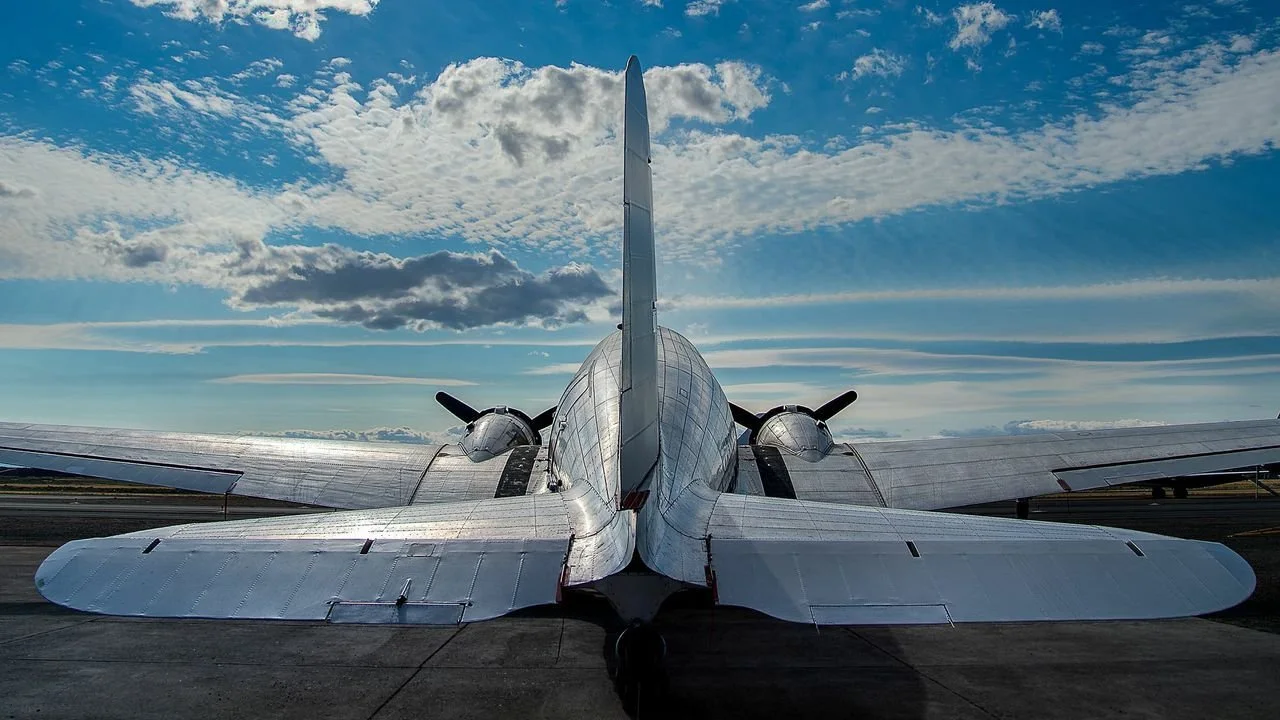
Many aviation experts consider the Douglas DC-3 to be the most successful aircraft design in history. The military model of this plane was named by General Dwight D. Eisenhower, along with the jeep, the bazooka and the atom bomb, as one of the four weapons that contributed significantly to the allied victory in World War Two. Today, there are still examples of this rugged and reliable aircraft plying the world’s passenger and cargo routes some sixty years after its maiden flight. It is said that a DC-3, or its military version - the C-47, takes off somewhere in the world each day. The Douglas Commercial Three was a refinement of an earlier design, the DC-1. Shortly after its initial flight in December of 1935, the aircraft was ordered by American Airways and started service on the New York to Chicago run. Other airlines, both foreign and domestic, soon began to operate this sleek and modern design commercial carrier. The United States military took an interest and ordered aircraft altered to meet their specifications. These modifications included a stronger cabin floor, a reinforced rear fuselage with large loading doors and more powerful engines. This model was designated the C-47 Skytrain which could be utilized as a cargo hauler, personnel transport, paratroop plane, ambulance and glider tug.
During World War II, the C-47 was the primary cargo and troop carrier of the American military forces and served with distinction in all theaters of the war. Noteworthy accomplishments of the Skytrooper involved the airborne delivery - by parachute and glider - of combat troops and equipment in the Allied invasions of Sicily, Burma and Normandy. The aircraft was also used by the British Commonwealth nations where it was known as the Dakota and by the Soviet Union.
SPECIFIC HISTORY
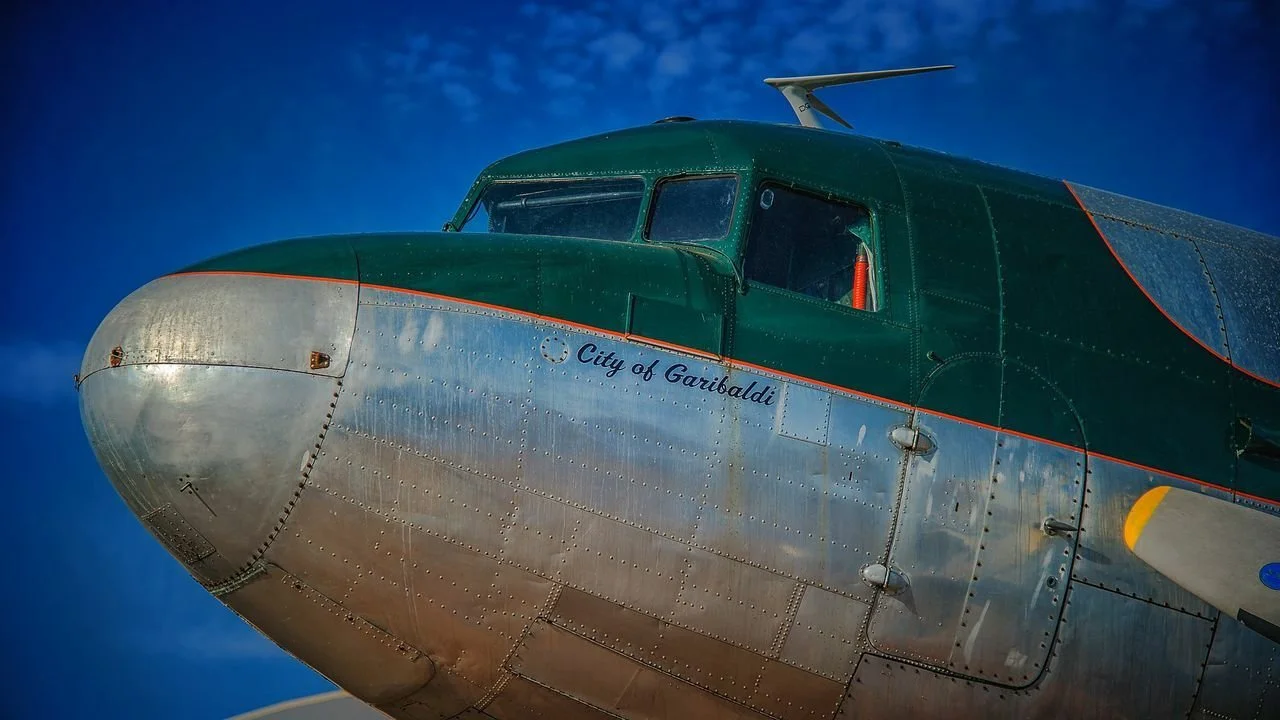
The C-47B on display, an early version, was built in late 1944 and delivered to the U.S. Army in February 1945. It was sent to Great Britain and stayed there until 1952 when it was transferred to the West German Luftwaffe. In 1962 it was delivered to Sweden where it served with their Air Force until 1982 at which time it returned to the United States for storage in Cleveland, Ohio. In 1996 it was acquired by the museum and arrived here on February 17, 1997. It was then refurbished and converted to a DC-3 with the installation of carpet, seats and a galley and head.